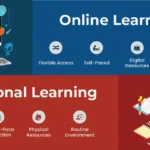

Virtual classrooms have transformed the way students learn by bringing education directly into their homes. Through video conferencing platforms and online learning systems, students can attend lectures, interact with teachers, and complete assignments without physically being present in a traditional classroom. However, learning in a virtual environment requires discipline, focus, and smart strategies. Without proper planning, students may struggle with distractions, low motivation, or poor time management. By following the right virtual classroom learning tips, students can improve understanding, participation, and academic performance.
One of the most important tips for successful virtual learning is creating a dedicated study space. Studying from bed or in front of the television can reduce concentration and make learning less effective. A quiet, organized, and comfortable study area helps the brain switch into “learning mode.” When students attend online classes from the same place daily, their mind begins to associate that location with focus and productivity. Good lighting, proper seating posture, and a stable internet connection also improve the overall experience.
Another essential tip is maintaining a fixed routine. Even though virtual classes offer flexibility, waking up late or attending classes casually can reduce seriousness and motivation. Students should treat online classes like physical school by waking up on time, getting ready properly, and logging in a few minutes before class starts. Following a daily routine builds discipline and helps maintain consistency in studies.
Active participation plays a major role in virtual classroom success. Many students remain silent during online sessions, which reduces engagement and understanding. Asking questions, responding to teachers, and participating in discussions keeps the mind alert. When students interact actively, they remember concepts better and feel more connected to the learning process. Keeping the camera on, if possible, can also increase accountability and focus.
Taking proper notes during online lectures is another important strategy. Since virtual classes often move quickly, writing key points in your own words helps reinforce understanding. Organized notes make revision easier before exams. Students should avoid relying only on recorded lectures and instead focus on listening carefully and summarizing important information during the live session.
Managing digital distractions is crucial in a virtual classroom. Since learning happens on a device connected to the internet, it becomes easy to switch to social media or unrelated websites. Students should close unnecessary tabs and turn off notifications during class. Self-discipline is essential to ensure that the device remains a learning tool rather than a source of distraction.
Time management outside live sessions is equally important. Virtual learning often includes assignments, recorded lectures, and independent study tasks. Students should plan their day carefully to complete homework on time and revise lessons regularly. Procrastination can quickly lead to a backlog of unfinished work, increasing stress before exams.
Technical preparation also supports smooth virtual learning. Ensuring that your device is charged, software is updated, and internet connection is stable prevents interruptions during important lectures or tests. Being technically prepared reduces anxiety and allows students to focus fully on learning.
Finally, maintaining physical and mental well-being enhances virtual classroom performance. Sitting in front of a screen for long hours can cause fatigue. Taking short breaks, stretching, and resting your eyes improves energy levels. Staying positive and motivated helps students overcome the challenges of online learning.
In conclusion, successful virtual classroom learning depends on discipline, active participation, effective note-taking, time management, and control over digital distractions. By creating a proper study environment, following a routine, and staying engaged during lessons, students can make virtual education just as effective as traditional classroom learning. With the right mindset and habits, online classes can become a powerful tool for academic growth and success.